


Floral Clock Installation for Public Gardens: Outdoor Timekeeping Landmark with Seasonal Planting
Floral Clock Installation for Public Gardens: Outdoor Timekeeping Landmark with Seasonal Planting
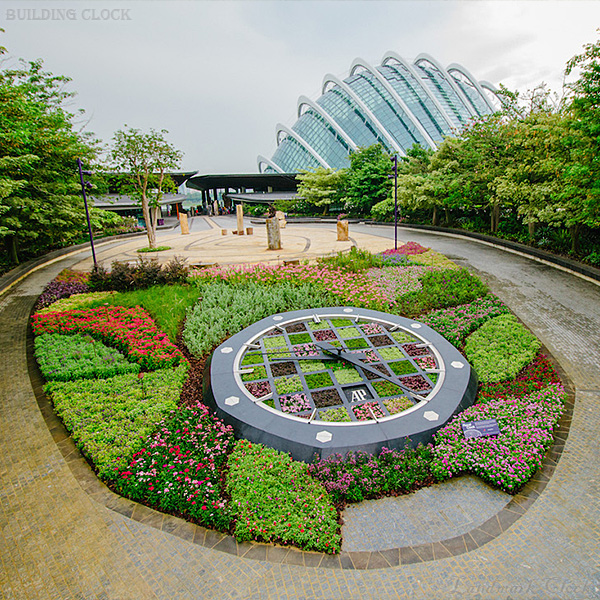
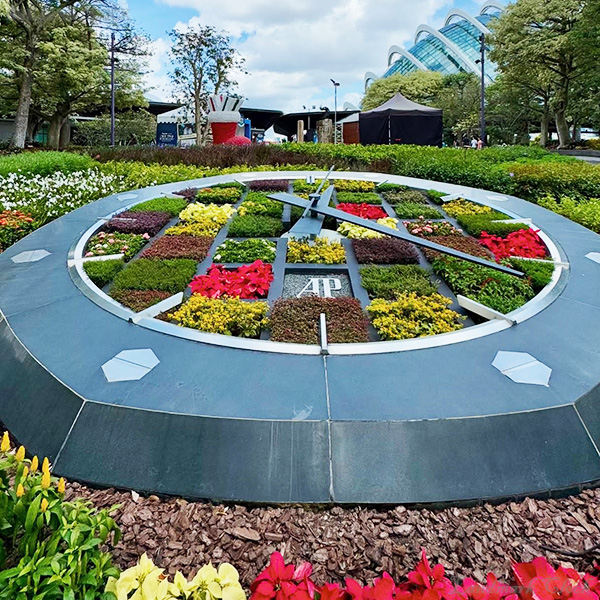
A floral clock is a public garden feature that performs two jobs at once. It tells time with real mechanical reliability, and it functions as a living landscape display that can be re-themed throughout the year. This project demonstrates a modern interpretation of the classic floral clock: a low-profile circular dial set within a richly planted garden setting, built to commemorate a nationally significant 50th anniversary milestone and to operate as a long-term visitor landmark in a major urban garden destination in Singapore.
A contemporary floral clock that reads instantly
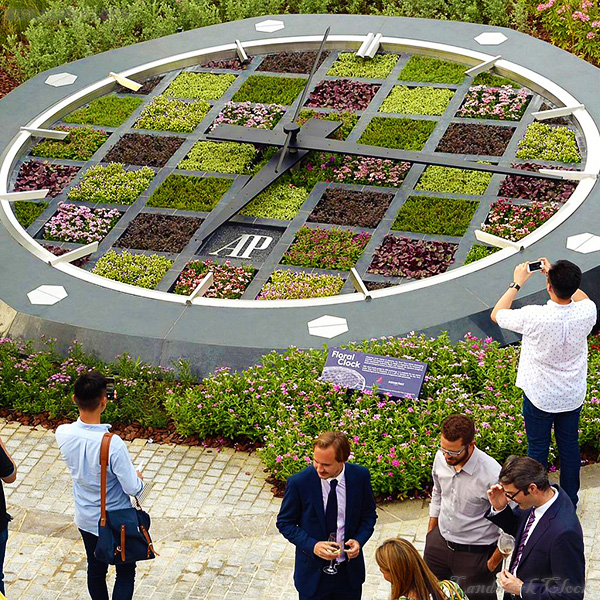
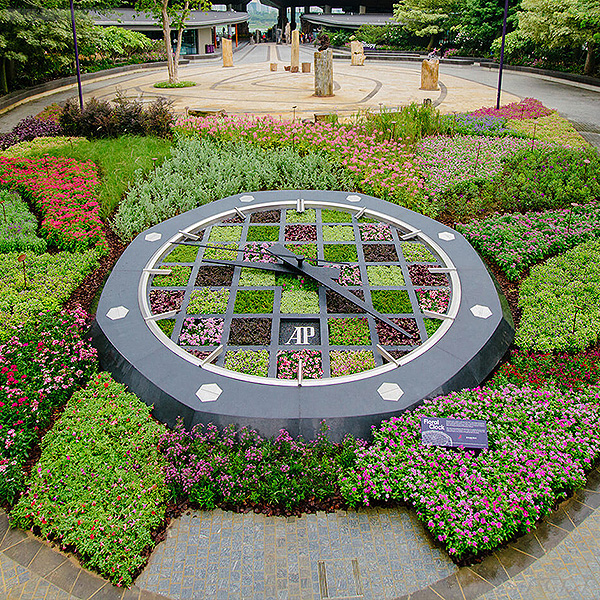
The first requirement of a successful floral clock is legibility at walking speed. This dial uses oversized, high-contrast hands and clear hour markers to create immediate readability from multiple approach angles. The face is designed as a clean geometry rather than an overly detailed picture. That design choice is strategic: it keeps the clock readable in bright daylight and under night lighting, and it reduces long-term maintenance risk because the dial remains visually strong even when planting palettes change seasonally.
From a planning and design perspective, this is the right model for public clients. A floral clock should not depend on delicate, high-resolution planting graphics that only work from one viewpoint. Instead, it should be a landmark object that works for daily visitors, families, tour groups, and event crowds, with dependable sightlines and a clear center point.
Modular planting dial for predictable operations
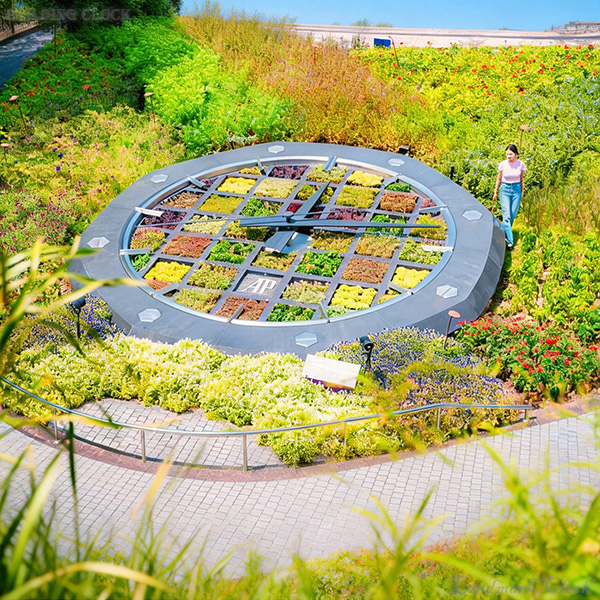
A defining feature of this project is the modular planting layout. The dial surface is divided into structured planting cells, separated by crisp edging. This approach brings major operational advantages:
- Faster seasonal changeovers because crews can treat the dial as zones rather than one continuous bed
- Cleaner visual performance because the geometry stays sharp even when plants are at different growth stages
- Easier irrigation tuning because planting can be grouped by water demand and exposure
- Better horticultural risk control because a problem in one zone does not visually collapse the entire dial
For owners and operators, this is the difference between an iconic feature that performs year-round and a display that only looks perfect for short periods. The modular system supports realistic staffing and realistic budgets while still producing a high-impact visitor experience.
Engineering integration that protects both timekeeping and planting
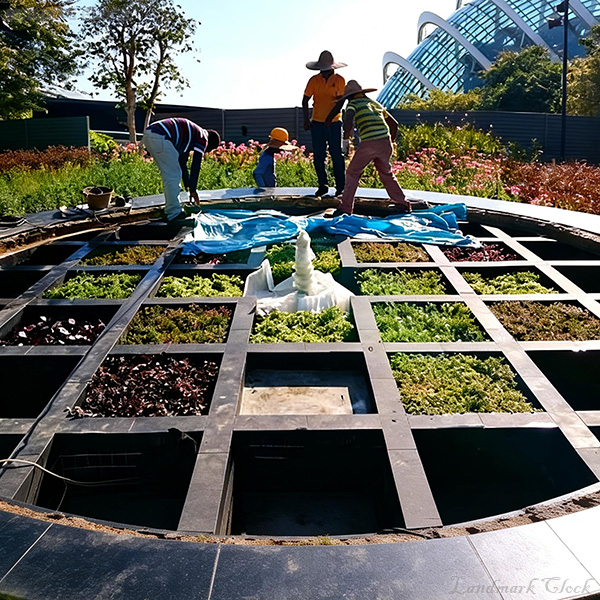
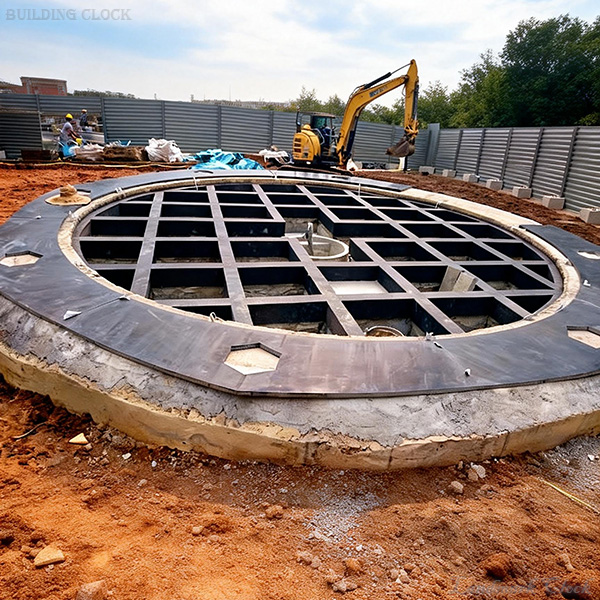
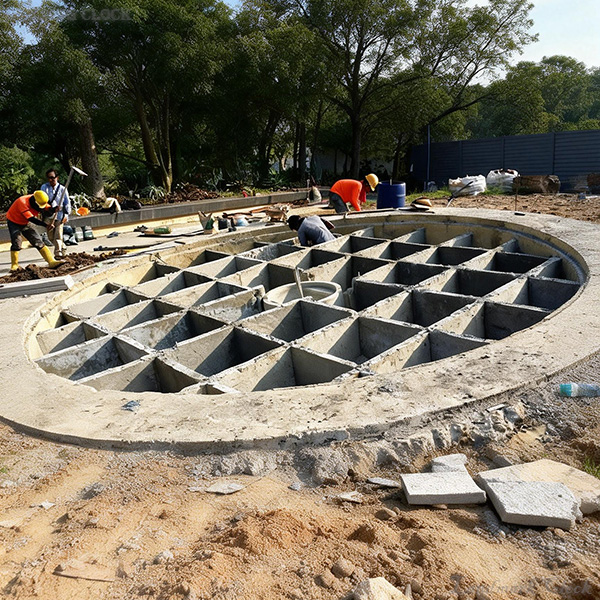
Outdoor floral clocks fail when either the movement is under-specified or the planting bed is not engineered like a true construction element. This case reflects a professional integration mindset: the mechanical system is treated as durable infrastructure, and the planting bed is treated as a buildable, serviceable assembly.
Key integration principles demonstrated here include:
- A stable center drive zone that isolates the timekeeping mechanism from soil moisture and routine irrigation
- Service-friendly access planning so calibration and maintenance do not require destructive landscape work
- Robust hands sized for visibility and engineered to resist wind load and vibration
- Clear separation between hardscape edges and planting zones to protect the dial geometry and prevent soil migration
This is important for procurement teams because it reduces lifecycle uncertainty. A floral clock should be scoped like a hybrid of landscape construction and mechanical equipment, with defined interfaces, warranties, and maintenance responsibilities.
Night presence and event value
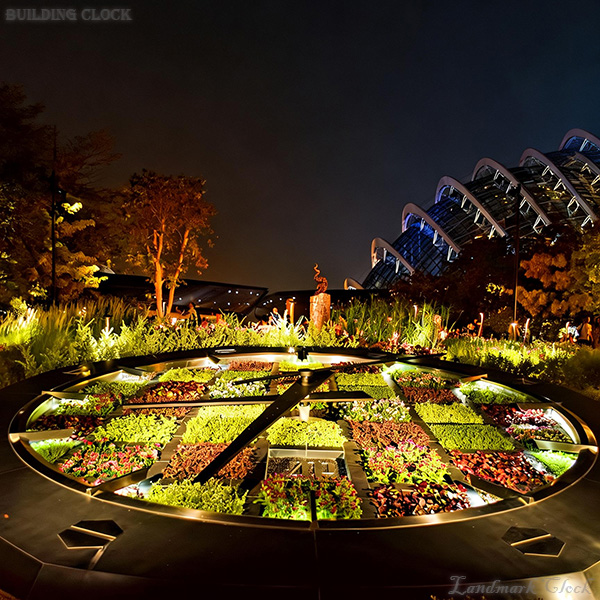
Public gardens increasingly operate beyond daytime hours, and signature features must perform after dark. This design supports night visibility through thoughtful lighting placement around the dial and the surrounding planting, creating a low-glare, visitor-friendly scene. The clock becomes a dependable event backdrop for evening programs, festivals, seasonal celebrations, and commemorative ceremonies.
For sponsors and civic stakeholders, the value is obvious: a floral clock is a repeating visual icon. It appears in visitor photos, promotional media, and broadcast coverage. It is also an effective wayfinding anchor, helping visitors orient themselves in large garden precincts.
A commemorative landmark with long service life
Commemorative projects must deliver more than a one-time moment. They need to justify capital investment through longevity, reliability, and ongoing public relevance. This floral clock does that by separating the permanent from the renewable:
- Permanent elements include the dial geometry, structural edges, hour markers, and mechanical drive
- Renewable elements include seasonal planting palettes and display themes that can be refreshed without rebuilding
This strategy protects long-term value. The owner can refresh the look for anniversaries, national days, garden festivals, brand collaborations, or environmental campaigns without modifying the core infrastructure.
What public owners and procurement teams evaluate
When cities, park authorities, or major garden operators commission a floral clock, their evaluation is not only aesthetic. It is also about risk, serviceability, and long-term operating cost. This case aligns well with common procurement criteria:
Reliability and safety
The clock must keep time accurately in rain, heat, and humidity. The installation must manage visitor proximity safely, protect the mechanism, and avoid trip hazards and maintenance conflicts.
Lifecycle cost control
Owners want predictable seasonal routines, replaceable components, and a clear maintenance plan. Modular planting and defined mechanical access reduce surprises.
Visitor experience and accessibility
A successful floral clock offers strong photo viewpoints, readable timekeeping, and a clear interpretive message. It should enhance circulation rather than block it.
Programming and brand value
A floral clock can support partnerships, sponsorships, and public storytelling. It is a rare feature that combines heritage appeal with modern placemaking.
Design lessons that translate to new projects
For landscape architects, planners, and design consultants looking for replicable strategies, this project highlights several best-practice lessons:
- Use simple, bold geometry for high legibility and durable aesthetics
- Adopt a modular planting grid to improve horticultural performance and seasonal changeovers
- Engineer the dial as a constructed system with drainage, edging, and protected mechanical interfaces
- Plan for night lighting early so the feature remains valuable after sunset
- Treat the floral clock as a landmark asset with long-term media value and programming flexibility
This is the kind of installation that a public client can defend in a capital plan: it is iconic, durable, maintainable, and capable of evolving year after year without losing identity.
Fixed Professional Content & Specification Table (paste-ready)
Professional Notes (Engineering + Landscape Integration)
System Type: Outdoor floral clock living landscape dial plus mechanical timekeeping system.
Typical Applications: Public parks, botanical gardens, civic plazas, cultural districts, visitor centres, waterfront promenades, resort landscapes.
Design Principle: Permanent dial geometry plus renewable seasonal planting for long-term operational efficiency.
Readability: Oversized hands and high-contrast hour markers designed for pedestrian viewing distances.
Landscape Compatibility: Roman numerals can be formed using clipped shrubs or groundcovers or hardscape markers. Dial face supports seasonal annuals and perennials.
Operations Planning: Maintenance zoning between dial and perimeter beds improves staffing efficiency and reduces visitor disruption.
Procurement Fit: Works under Design–Bid–Build or Design–Build. Scopes may be split into civil and foundation, mechanical clock system, and horticultural works.
Specification Parameters (Typical / Customizable)
Item | Standard Configuration | Options / Notes |
Dial Diameter | Custom-built | Common range: 3–12 m site-driven |
Display Type | Roman numerals plus seasonal dial planting | Arabic numerals, minimal markers, bespoke motifs |
Hands | Oversized hour and minute hands | Aluminium, stainless steel, FRP composite, treated timber heritage |
Finish | Outdoor coating system | Powder coat, marine-grade coating for coastal exposure |
Timekeeping Movement | Heavy-duty outdoor clock drive | High-torque movement for large hands, anti-backlash designs |
Time Sync | Standard time setting | GPS, radio, or network time synchronization optional |
Power Supply | AC mains | Solar-hybrid possible depending on site conditions |
Control Access | Lockable service access | Tamper-resistant enclosure, maintenance-friendly layout |
Foundation and Mount | Engineered central plinth | Designed to local codes, wind loads, and soil conditions |
Dial Bed Construction | Edge restraint plus drainage layer | Enhanced drainage for heavy rain and irrigation control |
Irrigation | Zonal irrigation recommended | Smart controllers, moisture sensors, drought-response programming |
Planting Strategy | Seasonal color-change bed | Native and water-wise palette, festival themes, low-allergen options |
Lighting Optional | None by default | Dial wash, hand highlight, event lighting integration |
Signage Optional | None by default | Interpretive plaque, donor or sponsor panel, QR info |
Maintenance Plan | Seasonal planting plus routine service | Spare parts package, annual calibration, on-site training |
Climate Suitability | Outdoor public landscape | Material selection and coatings tuned to heat, UV, humidity, salt spray |
Delivery Scope (Typical)
Clock movement plus hands plus mounting hardware
Dial layout shop drawings geometry, marker positions, hand clearances
Foundation interface requirements and installation guidance
Planting concept support dial infill plus numerals and perimeter structure
Commissioning and time calibration procedure
Optional spare parts kit, training, and maintenance SOP documents
Leave Your Message
Products categories
-
Heritage Floral Clock Landmark for Publi
-
Landmark Floral Clock for Public Parks —
-
Floral Clock Installation for Public Gar
-
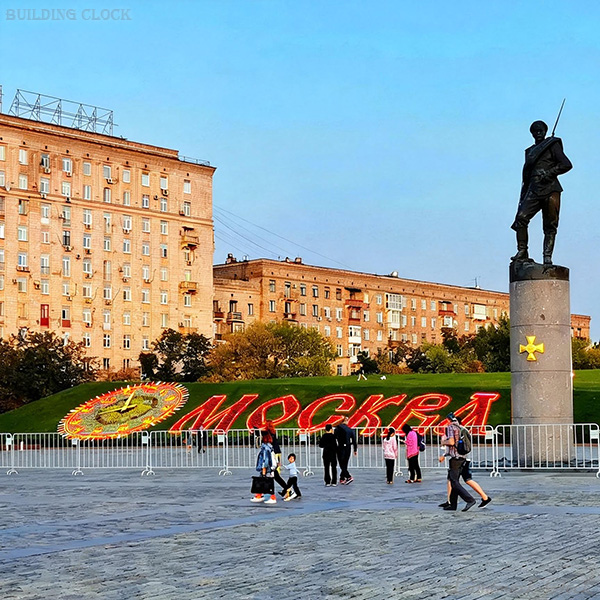
Hillside Floral Clock Landmark for Civic
-
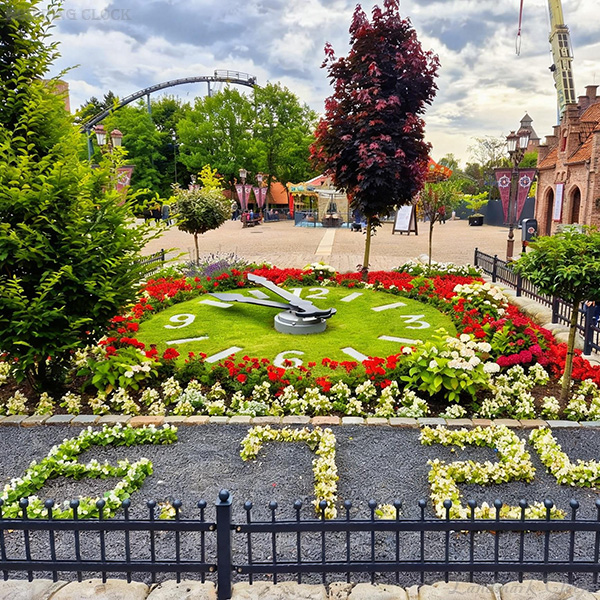
Seaside Theme Park Floral Clock Landmark
-
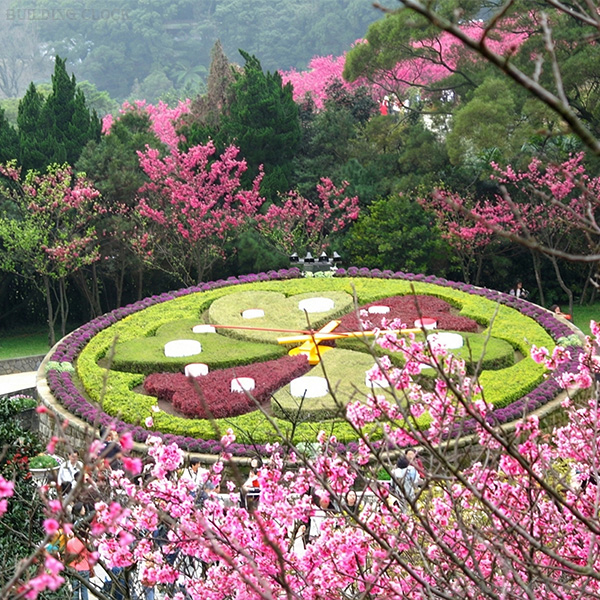
Mountain Park Floral Clock Landmark for
-
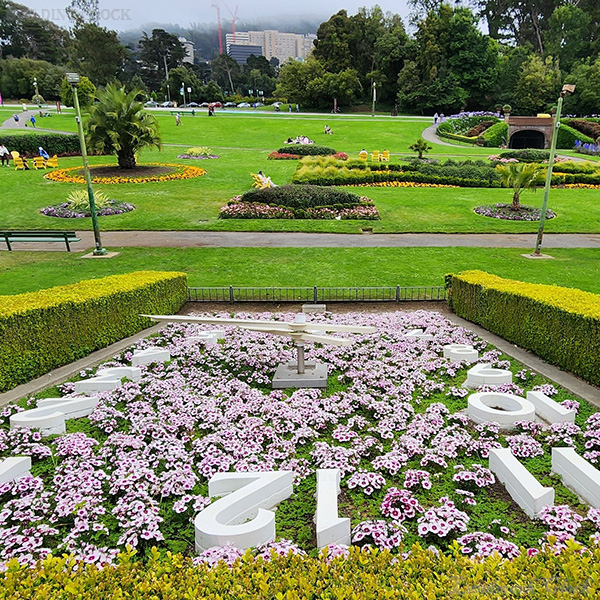
Hillside Floral Clock Landmark for Civic
-
Heritage Flower Clock Landmark for Urban
-
Public Park Flower Clock with 2.5 m Seco
-
Flower Clock, Garden Floral clocks fc003