


Hillside Floral Clock Landmark for Civic Parks, Botanic Gardens & Public Facilities
Hillside Floral Clock Landmark for Civic Parks, Botanic Gardens & Public Facilities
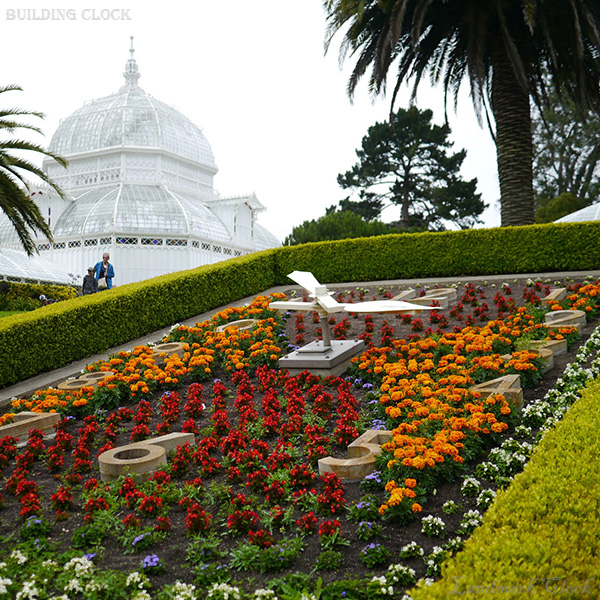
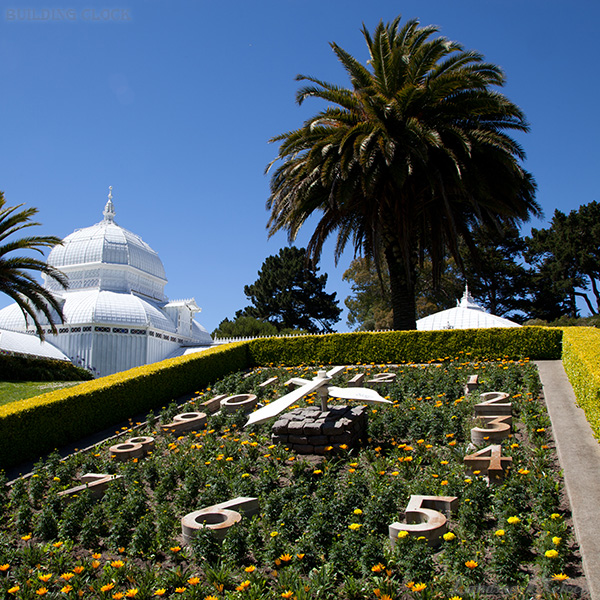
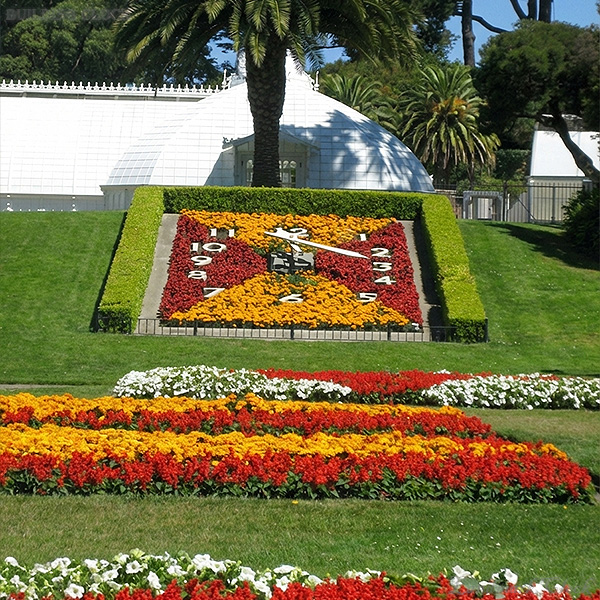
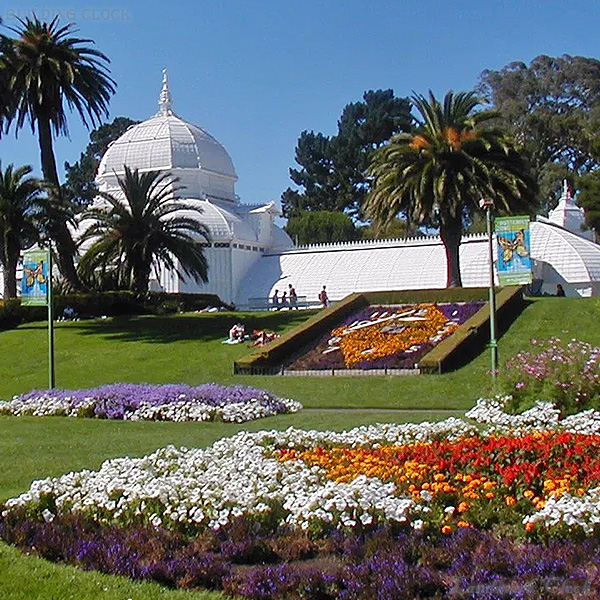
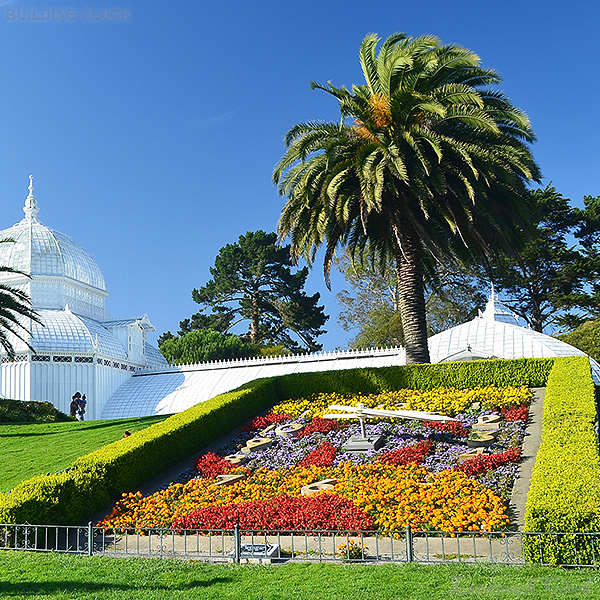
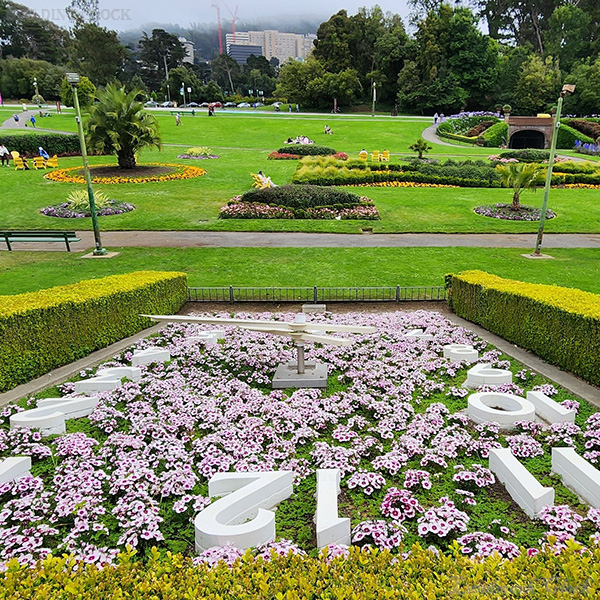
A floral clock placed on a planted slope in front of a landmark Victorian-style glass conservatory is more than a pretty seasonal display—it’s a working piece of public infrastructure that also functions as living landscape art. In this case, a hedge-framed, hillside planting bed becomes a highly legible “time beacon” that visitors can recognize instantly from lawns, paths, and cross-park sightlines. The oversized numerals and bold planting geometry turn an ordinary approach corridor into an iconic civic moment: a natural meeting point, a photo anchor, and a dependable wayfinding cue.
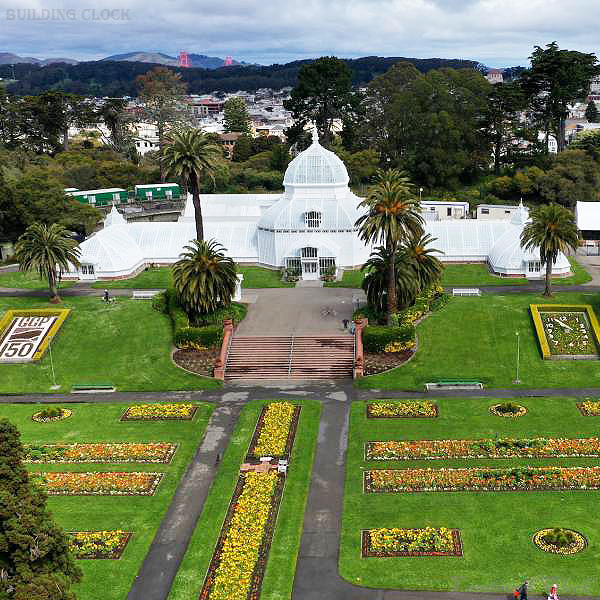
A forecourt landmark that strengthens a heritage public building
Many cities operate historic conservatories as part of their Public Facilities portfolio—alongside museums, libraries, civic centers, and community venues. The conservatory forecourt is the public “front door,” and the landscape must perform: guide circulation, support crowd management, and elevate the visitor experience without adding visual clutter. A floral clock works especially well here because it reads as both functional equipment (telling time) and place identity (a signature image tied to the destination).
Readable at walking speed, visible from across the lawn
Hillside placement is not a stylistic preference—it’s a visibility strategy. On a slope, the dial faces the public realm like a billboard, delivering instant comprehension even as people move, picnic, or approach from different elevations. This installation style typically includes:
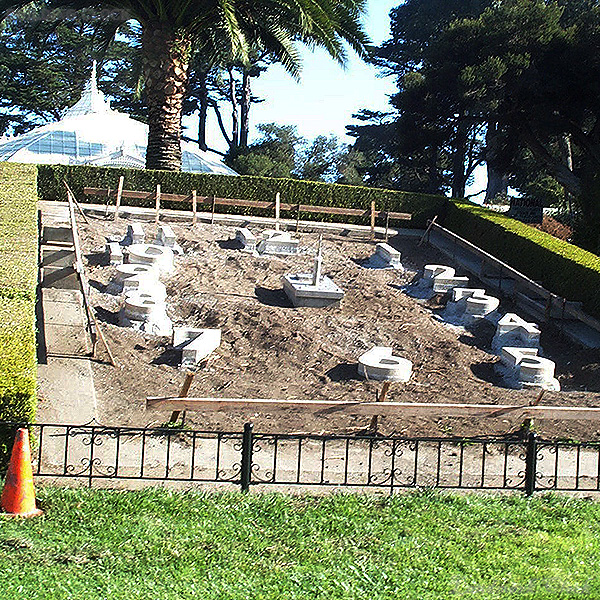
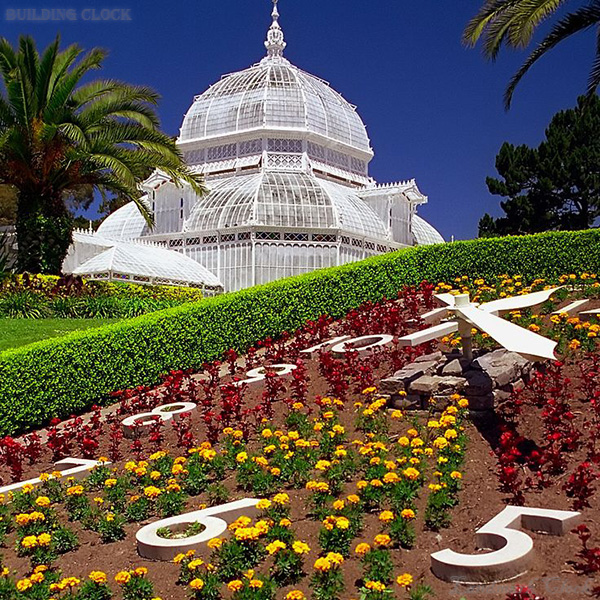
Oversized numerals set above the planting surface for long-distance readability
A clear center hub and bold hands that remain visible in wide-angle photography
Crisp edges created by clipped hedges and clean borders that keep the dial “graphic,” not messy
This is a proven approach for high-traffic civic parks where visitors often experience the landscape in motion, not while standing still.
A “living dial” designed for predictable operations
From an owner’s perspective, the biggest advantage is programmability. The clock’s geometry stays constant, while planting palettes change seasonally—spring color, summer saturation, autumn warmth, or event-themed motifs—without any structural rebuild. That makes the floral clock a reliable tool for:
seasonal storytelling and city branding
repeat tourism imagery (fresh look, same landmark)
scheduled maintenance planning with measurable standards (edge sharpness, color blocks, legibility)
For parks operations, the dial can be designed with segmented planting zones and standardized plant lists so seasonal changeouts are efficient and consistent year after year.
Infrastructure-grade clock components for public uptime
A floral clock earns its place in the capital plan when the time system is specified like public equipment, not garden décor. A procurement-ready scope typically includes:
weather-resistant drive and controls (with stable calibration)
durable hands and center assembly engineered for wind exposure
protected routing for wiring and irrigation interfaces
service access planning (safe maintenance routes, lockable controls where needed)
This approach aligns with how cities manage other civic assets: high visibility, long service life, and clear maintenance responsibility.
Slope engineering, irrigation, and risk management
Because hillside beds face runoff and uneven moisture, the landscape clock must be engineered as a complete system:
grading + drainage to prevent washouts and protect planting detail
water-efficient irrigation tailored to slope hydraulics (uniform coverage, minimized overspray)
maintenance safety measures (stable access points, protected edges, visitor separation where appropriate)
materials and details that hold crisp lines under heavy visitation
These are the same coordination topics found in public realm projects led by City Planning Departments and Parks agencies—where accessibility, safety, and lifecycle cost matter as much as aesthetics.
Why municipalities, sponsors, and designers specify floral clocks
For a Mayor’s Office, parks department, or civic client team, a floral clock delivers a rare mix of outcomes:
Placemaking: an instantly understood “meet here” landmark that organizes movement
Public value: family-friendly, educational, and visually engaging in every season
Brand continuity: a repeatable icon that refreshes without rebranding the place
Capital efficiency: small footprint, high visibility, straightforward phasing
Tender clarity: can be packaged as siteworks + clock system + irrigation + planting + multi-year O&M
In short, this case demonstrates a floral clock as a civic landscape upgrade: infrastructure-level reliability wrapped in a living, seasonal display that strengthens the identity and usability of a major public park destination in California.
Leave Your Message
Products categories
-
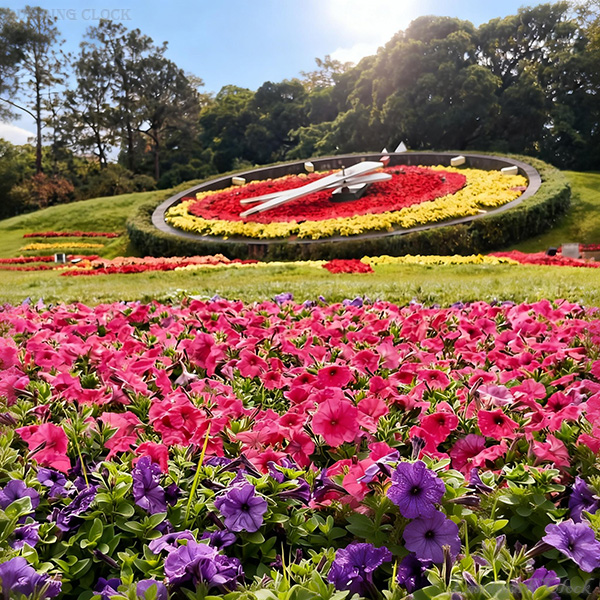
Seasonal Floral Clock Landmark for Metro
-
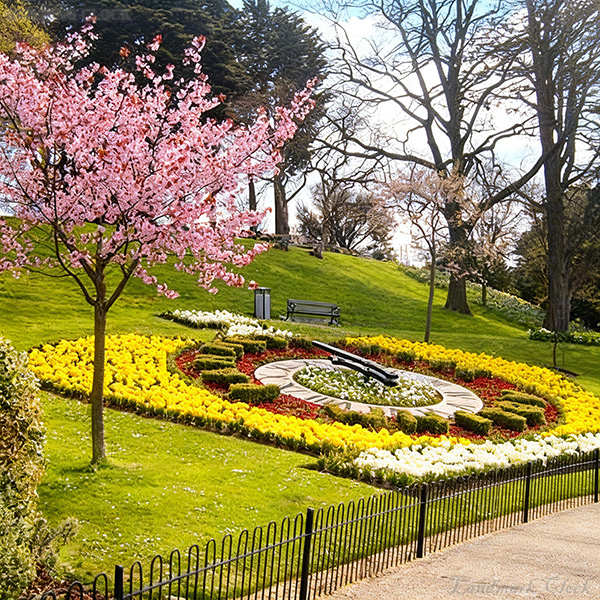
Heritage Floral Clock Landmark for Publi
-
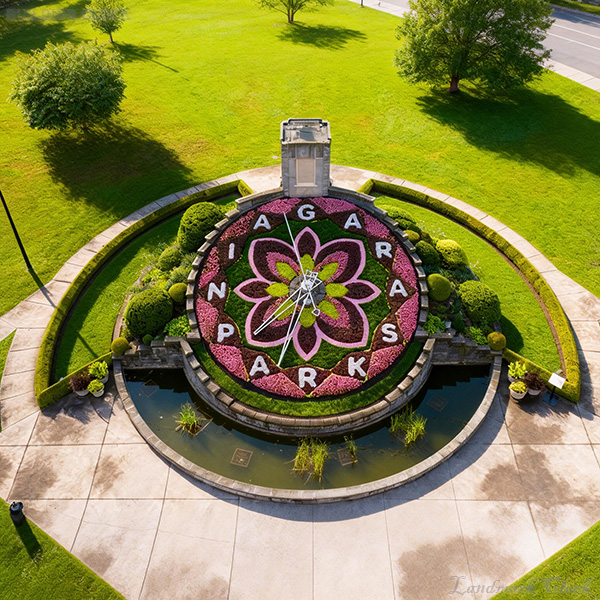
40-Foot Floral Clock Landmark for Public
-
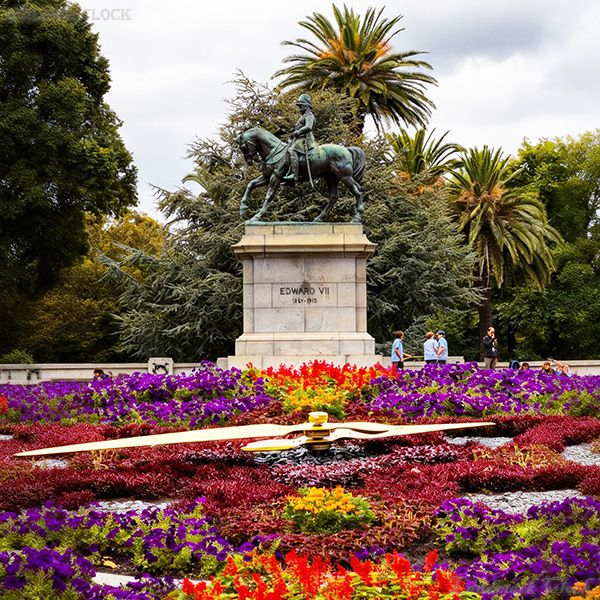
Landmark Floral Clock for Public Parks —
-
Hilltop Park Floral Clock in South Korea
-
Floral Clock Installation for Public Gar
-
Hillside Floral Clock Landmark for Civic
-
Seaside Theme Park Floral Clock Landmark
-
Hillside Floral Clock Landmark for Civic
-
Heritage Flower Clock Landmark for Urban