


Hillside Floral Clock Landmark for Civic Parks & Memorial Landscapes
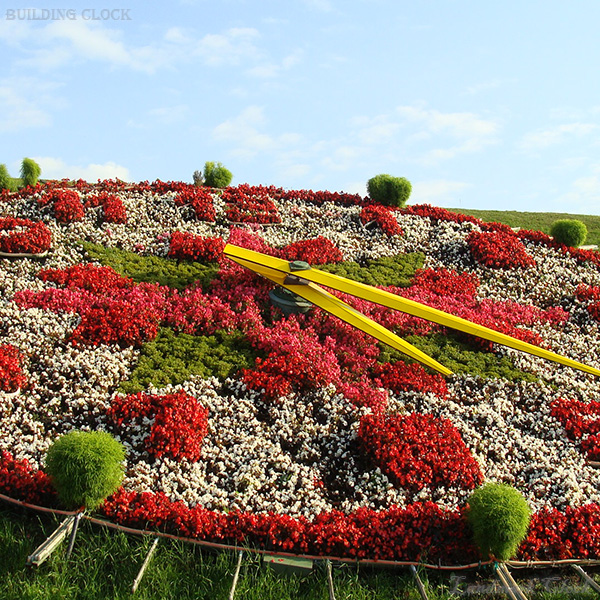
Hillside Floral Clock Landmark for Civic Parks & Memorial Landscapes
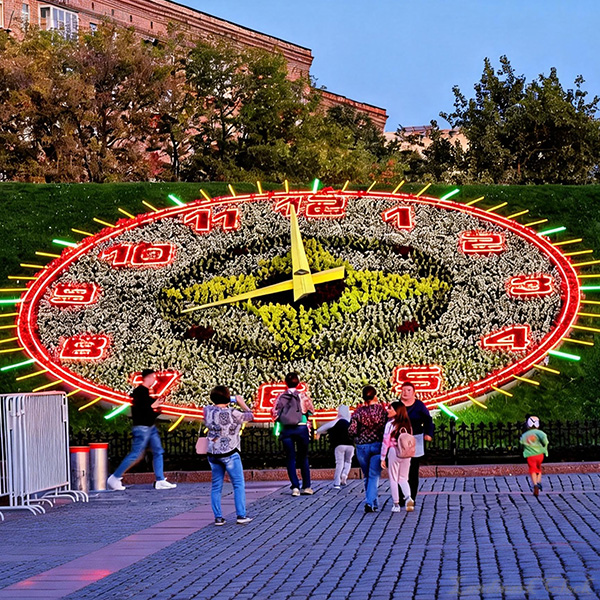
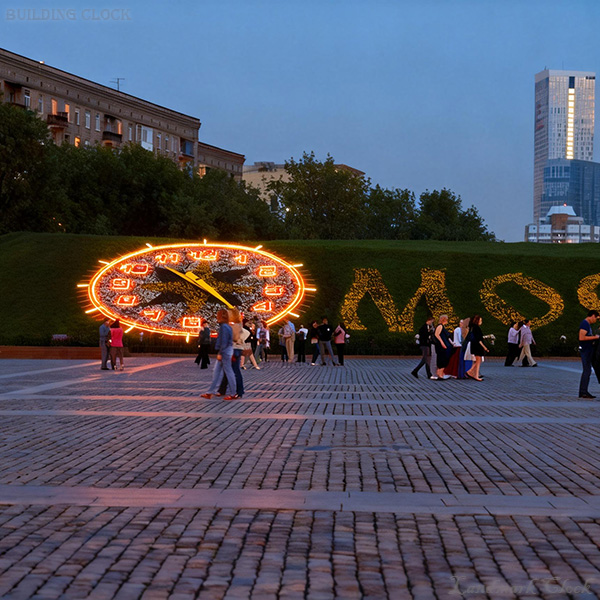
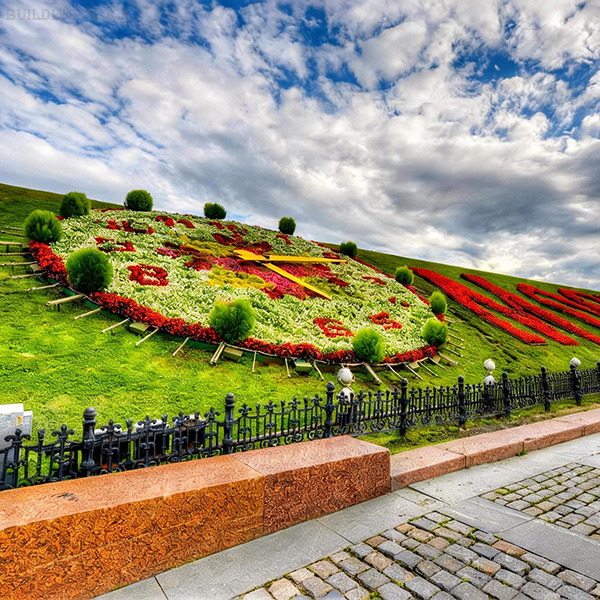
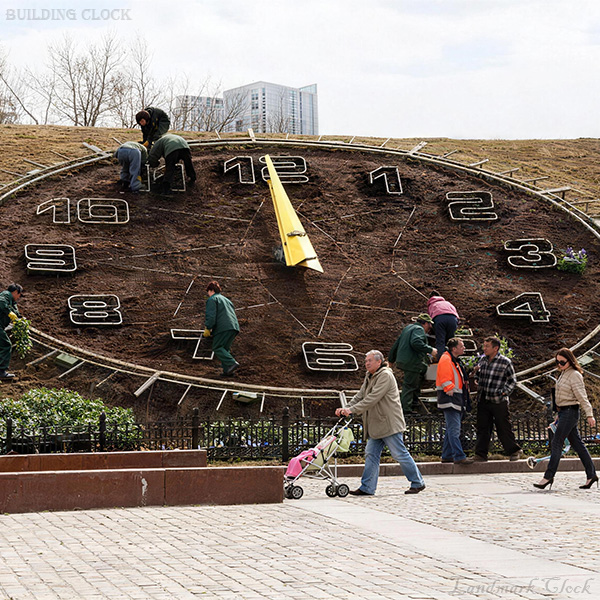
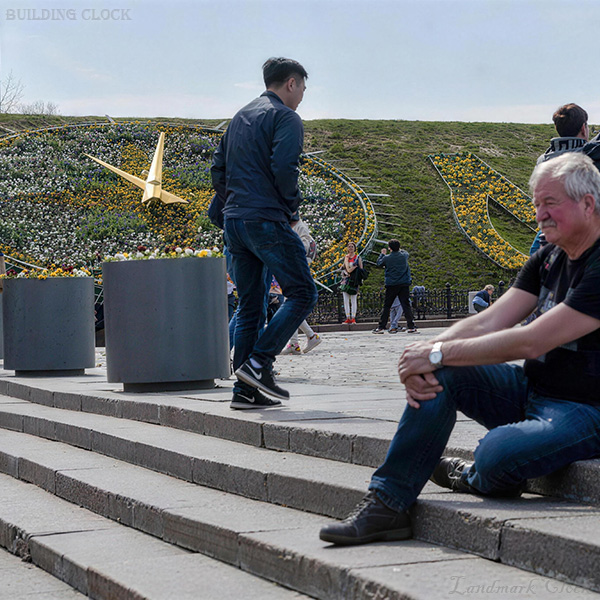
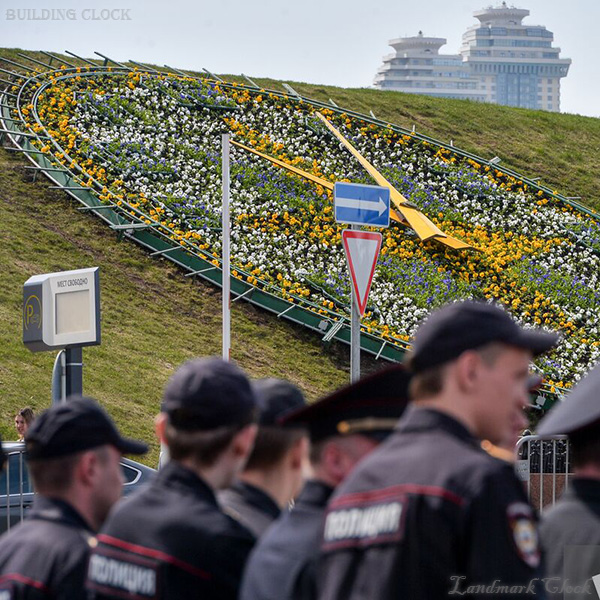
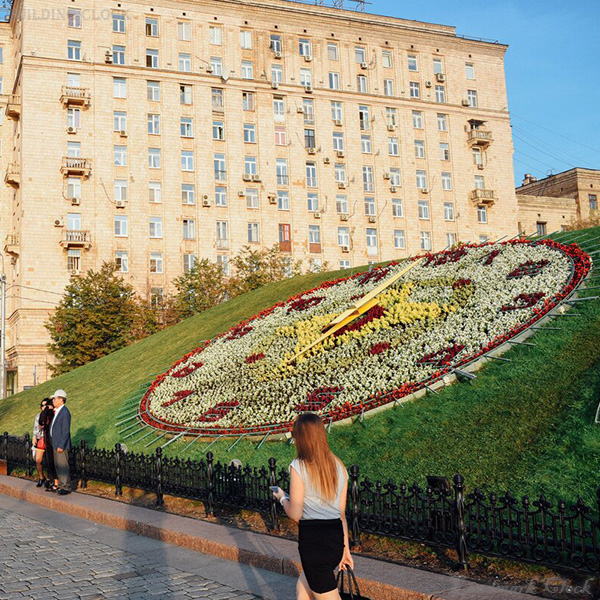
A monumental hillside floral clock can do far more than display time. When placed on a prominent lawn slope beside a major public promenade, it becomes an urban-scale “front-of-house” landmark—instantly readable, endlessly photographed, and capable of carrying seasonal color stories and civic messaging year after year. In this case, the dial is built into a steep, turf-covered embankment, turning the hillside into a graphic display: bold planting fields, oversized sculptural hands, and a night-time lighting system that keeps the clock legible and “alive” after dark.
A slope-mounted dial designed for real-world visibility
Placing the face on a hillside is not decoration—it’s a public-realm visibility strategy. A sloped dial faces pedestrians like a billboard, so time can be understood at walking speed from long cross-park sightlines. The planting composition reads as a single strong image even from a distance, while the hands remain clearly visible in wide-angle photography—an important performance requirement for civic gateways, ceremonial parks, and high-traffic plazas.
Night identity: lighting that extends public-space value
What distinguishes this clock type is its evening presence. The dial perimeter and numerals can be integrated with LED illumination, turning the hillside into a night landmark for visitors and commuters. For public owners, lighting is not just aesthetics: it supports orientation after sunset, helps maintain a “safe and active” promenade feeling, and keeps the landmark photo-ready during festivals and peak tourism seasons.
Landscape performance: a living display platform that can be refreshed
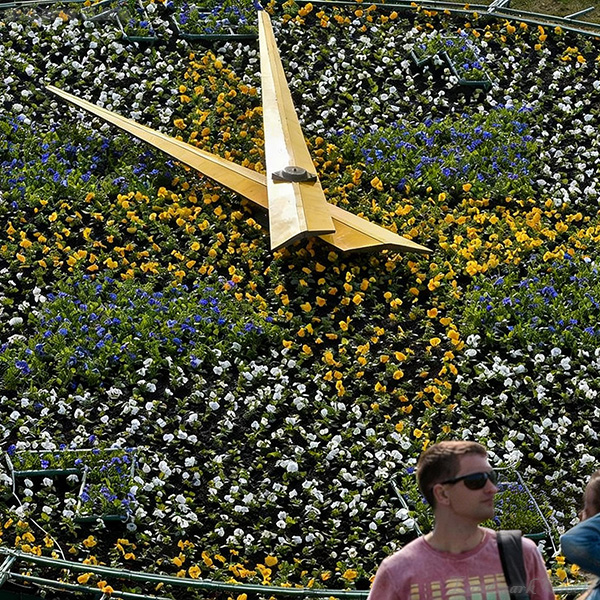
A floral clock is also a reusable mosaiculture platform. The underlying geometry stays constant while seasonal planting schemes evolve—spring color blocks, summer saturation, anniversary patterns, or event-themed motifs. Public reporting around this clock type describes regular replanting cycles and seasonal display updates, which is exactly what municipal operators need: predictable horticulture tasks, repeatable standards (edge sharpness, color contrast, legibility), and the ability to “relaunch” the landmark multiple times per year without rebuilding.
Civic context: built for crowds, ceremonies, and media moments
This installation sits within a nationally significant public landscape that attracts heavy foot traffic and major gatherings. That context raises the bar: the clock must stay accurate, presentable, and resilient under peak visitation, commemorative events, and continuous photography. For sponsors and city stakeholders, this is where a floral clock shifts from “beautification” into a durable piece of civic identity—an everyday waypoint that also performs during the most public moments of the year.
Owner priorities: reliability, safety, and lifecycle clarity
From a procurement viewpoint, successful hillside floral clocks are managed like municipal assets:
- Serviceability: concealed access to drive/control components, lockable panels where required, and safe maintenance routing on/around the slope.
- Weather resilience: corrosion-resistant hands and fittings, robust mounting, waterproofing strategy, and a maintenance plan for extreme seasonal cycles.
- Slope engineering: grading, drainage layers, and erosion control that keep planting edges crisp after storms and reduce washouts.
- Irrigation readiness: slope-appropriate irrigation zoning to maintain uniform moisture without overspray onto walkways.
- Public interface: perimeter protection that preserves planting and guides visitors without harming the “open civic” feel.
Professional (Tender-Ready) Scope Notes + Typical Specification Table
Below is a practical, buyer-oriented framework you can adapt into an RFP for a customizable / project-specific hillside floral clock.
Tender-ready scope checklist
- Dial geometry (round/oval), overall dimensions, slope angle, viewing corridor requirements
- Hands: material, finish/color, wind-load assumptions, locking and balancing method
- Drive system: torque class, accuracy spec, sync option (quartz / GPS), power backup strategy
- Lighting (optional): dial outline, numeral lighting, driver location, photometric intent, maintenance access
- Planting system: bed depth, modular zoning, seasonal changeout method, edge definition (hedge/border)
- Civil/MEP: drainage layers, waterproofing, irrigation zones, conduits, access paths, safety barriers
- Documentation: O&M manual, as-builts, spares list, training, warranty and response time
Typical Specification Table (project-dependent, configurable)
Parameter | Typical Options (Configurable) | Notes for Buyers / Designers |
Dial type | Round / Oval / Custom outline | Oval faces often read better on long embankments |
Dial size | Large-format civic landmark scale | Final size should match viewing distance and sightlines |
Slope angle | Gentle to steep hillside installation | Angle is driven by visibility + maintenance safety |
Hands | Aluminum / stainless steel, high-contrast finish | Oversized hands require wind-load + rigidity checks |
Drive system | High-torque outdoor movement, quartz or GPS sync | Choose torque class to match hand length and exposure |
Control | Outdoor-rated controller, lockable enclosure | Specify service access and security level |
Power | Grid / hybrid, surge protection, optional backup | Define reset behavior after outages |
Lighting (optional) | LED outline / illuminated numerals / accent ticks | Improves night wayfinding and landmark presence |
Planting method | Seasonal bedding / mosaiculture zoning | Design for fast changeouts and predictable O&M |
Irrigation | Manual / automated zoned drip/spray (slope-adapted) | Uniform coverage is critical on slopes |
Drainage + erosion control | Layered drainage, edge retention, runoff management | Keeps geometry crisp after storms |
Visitor management | Low fencing / planting buffer / defined viewing edge | Protects planting while keeping photos accessible |
Leave Your Message
Products categories
-
40-Foot Floral Clock Landmark for Public
-
Giant Floral Clock Pavilion with Sloped
-
Landmark Floral Clock for Public Parks —
-
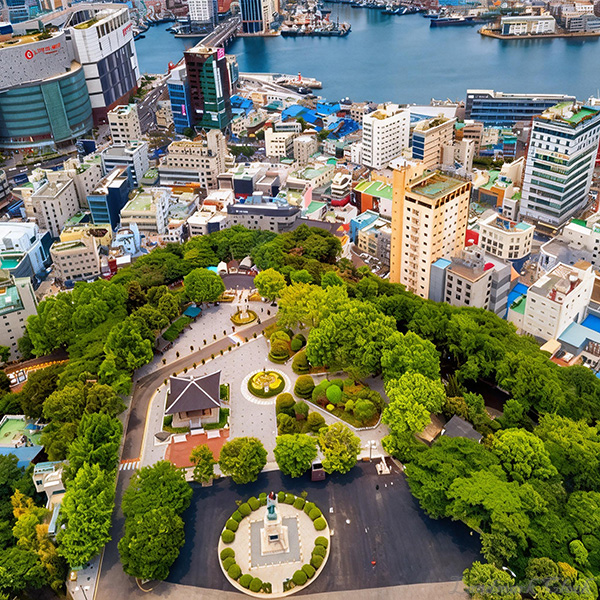
Hilltop Park Floral Clock in South Korea
-
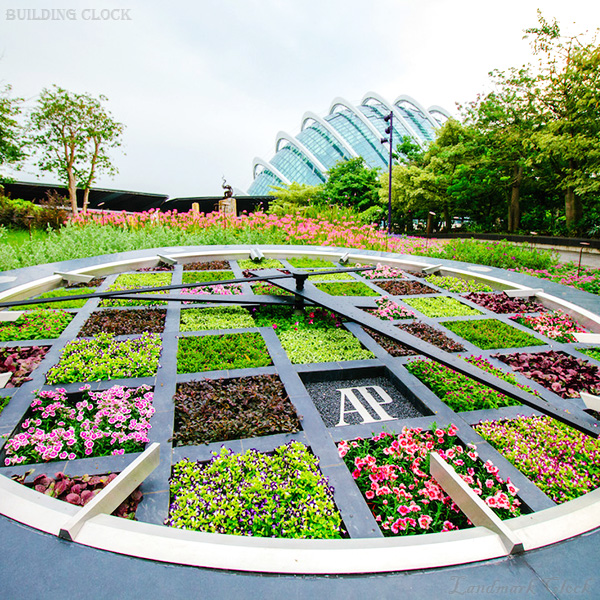
Floral Clock Installation for Public Gar
-
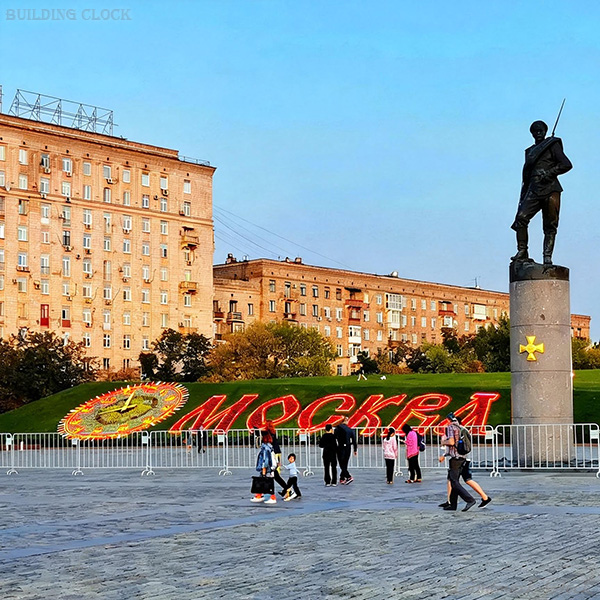
Hillside Floral Clock Landmark for Civic
-
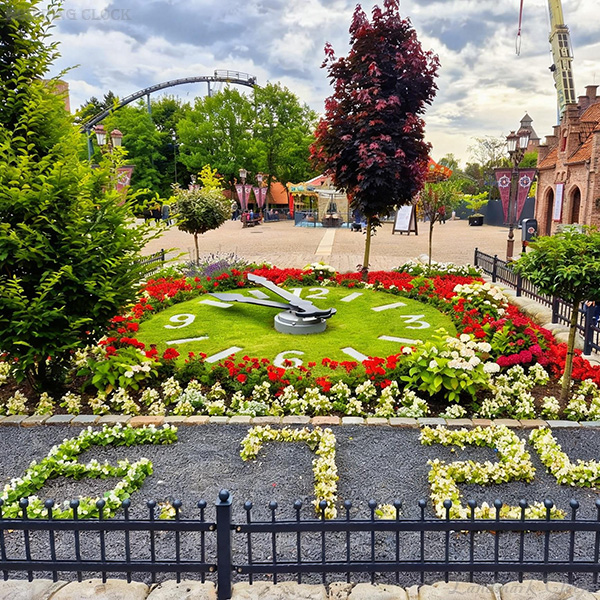
Seaside Theme Park Floral Clock Landmark
-
Mountain Park Floral Clock Landmark for
-
Hillside Floral Clock Landmark for Civic
-
Heritage Flower Clock Landmark for Urban