


40-Foot Floral Clock Landmark for Public Parks | Outdoor Timepiece Landscape Feature
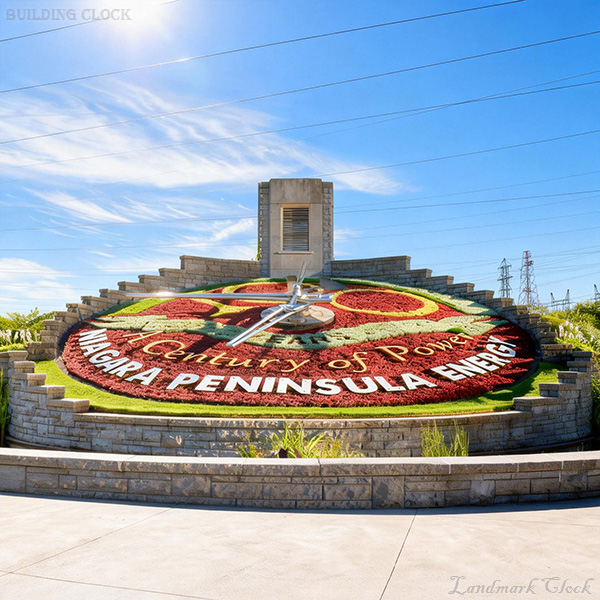
A Living Clock That Functions as a Landmark, Not Just a Flowerbed
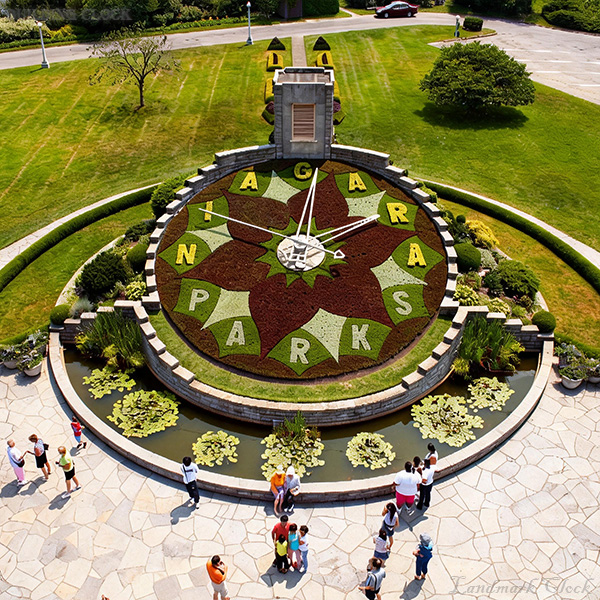
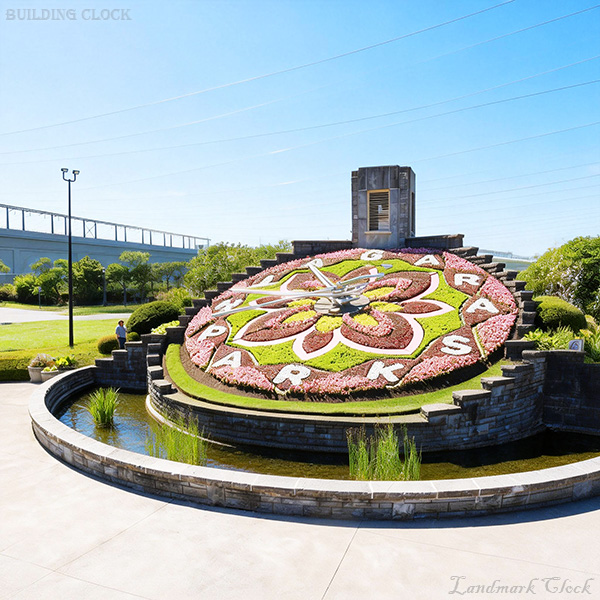
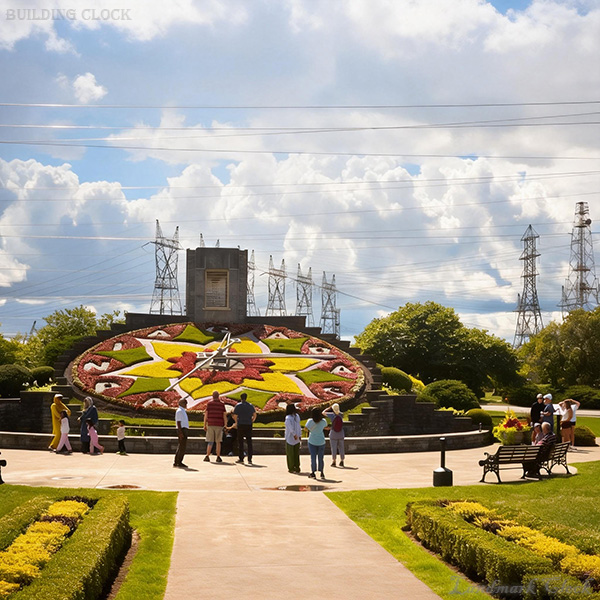
This large-format floral clock is designed as a working public timepiece and a high-impact landscape landmark—the kind of element that instantly creates orientation in a park, anchors visitor movement, and becomes a “must-photograph” stop. Unlike seasonal flower displays that rely only on color, a floral clock introduces function (timekeeping) and ritual (return visits): people come back to see new face designs, check the time, and experience the site in different seasons and lighting conditions. Official visitor guidance describes a planted face formed by thousands of carpet bedding plants, with designs changed twice each year, plus a chime tower element that adds an audible identity to the place.
Design Intent: Visibility, Readability, and Instant Recognition
From a landscape-architecture perspective, the success of this installation is rooted in three principles:
- Immediate legibility at walking speed: A circular geometry, bold hands, and high-contrast planting zones read clearly from multiple approach paths.
- Photographic framing: A floral clock face provides a clean focal point, while surrounding lawn slopes and controlled edge lines keep backgrounds uncluttered—ideal for visitor photos and media coverage.
- Landmark behavior: Overscale dimensions matter. The official project information states the face measures 40 feet in diameter, which is large enough to be recognized as a destination feature within a broad park setting.
The Clock Face as “Carpet Bedding” Craft
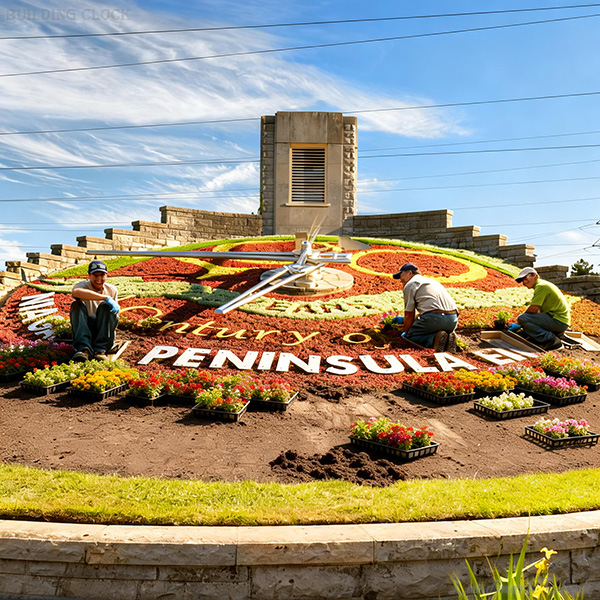
What makes a floral clock technically interesting is that the face is not simply planted “like a garden.” It is composed like a graphic—closer to signage or a mosaic—using carpet bedding plants and color-blocked annuals selected for predictable growth, density, and trim response.
The official attraction description highlights planting quantities up to about 16,000 plants and lists examples of plant materials used for face definition such as alternanthera, santolina, and privet, with designs executed by trained horticultural staff and students.
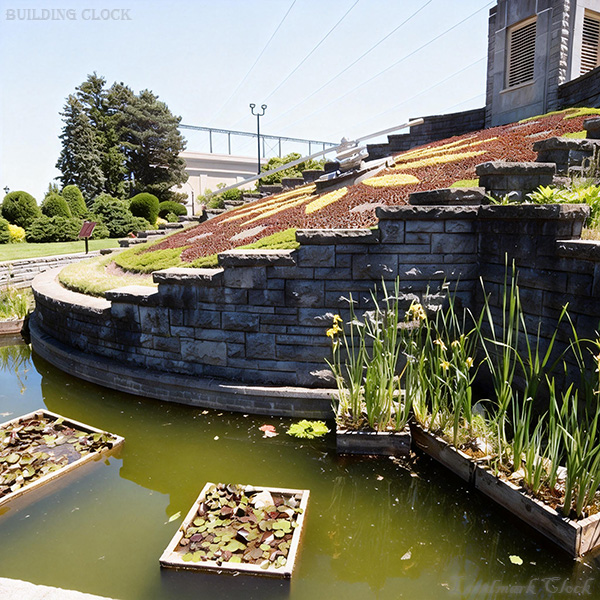
This signals an important procurement point: floral clocks are repeatable operational systems, not one-off art pieces. The value is in the process—designing a pattern, producing plant material, installing on a tilted face, trimming for crisp edges, and keeping the clock readable throughout the season.
Mechanical + Horticultural Integration: Two Teams, One Experience
A floral clock succeeds when mechanical reliability and horticultural precision are managed as a single visitor promise. In the referenced project model, horticulture staff maintain the planted face while a power/utility partner maintains the mechanism.
For public owners, this split-responsibility approach is practical:
- Horticulture scope: seasonal face design, plant production or sourcing, installation, irrigation checks, trimming, pest control, and end-of-season changeover.
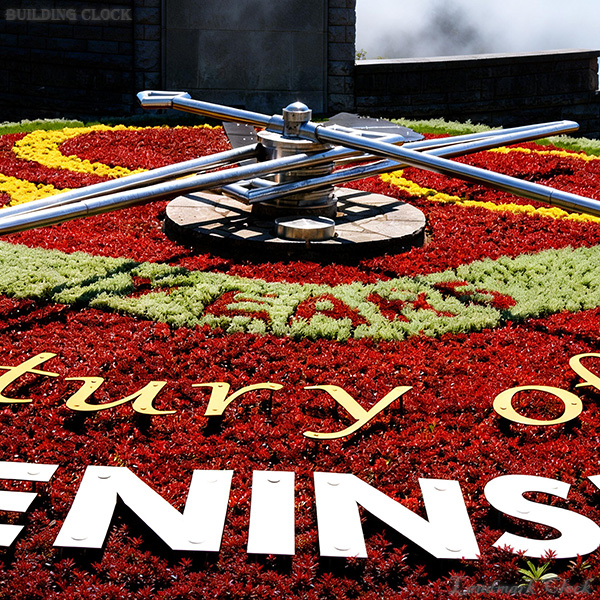
- Mechanical scope: movement inspection, calibration, drive/controls maintenance, hand alignment, and safety inspections of any accessible interior components.
This also creates resilience: if a plant palette must change due to weather or supply, the mechanical system still performs; if mechanical service is scheduled, the landscape still looks complete and intentional.
A Chime Tower That Adds Identity (and Visitor Dwell Time)
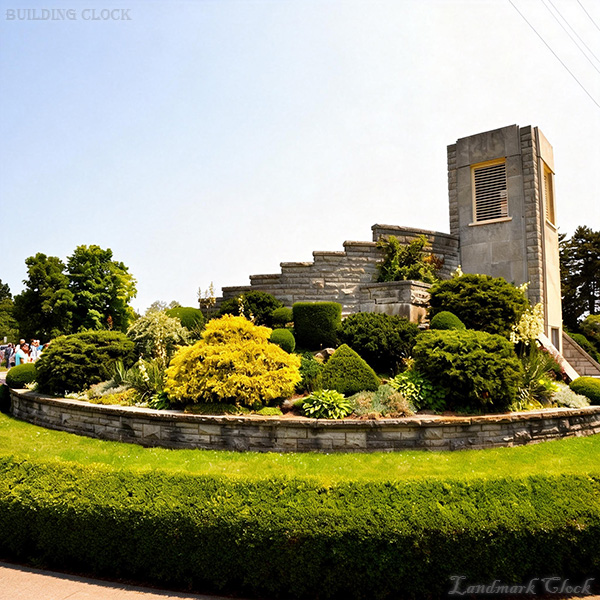
Behind the clock face sits a tower that houses Westminster chimes that sound each quarter hour.
From a planning and placemaking standpoint, a sound element does two things:
- Creates a “time signature” for the park (a subtle identity marker visitors remember).
- Increases dwell time—people wait for the quarter-hour moment, take video, and share it.
If the tower is accessible during certain hours, visitors can sometimes glimpse the mechanism and view historical face designs documented over decades dating back to 1950, reinforcing heritage value and repeat visitation.
Operations Strategy: Why “Twice-Yearly” Face Changes Work
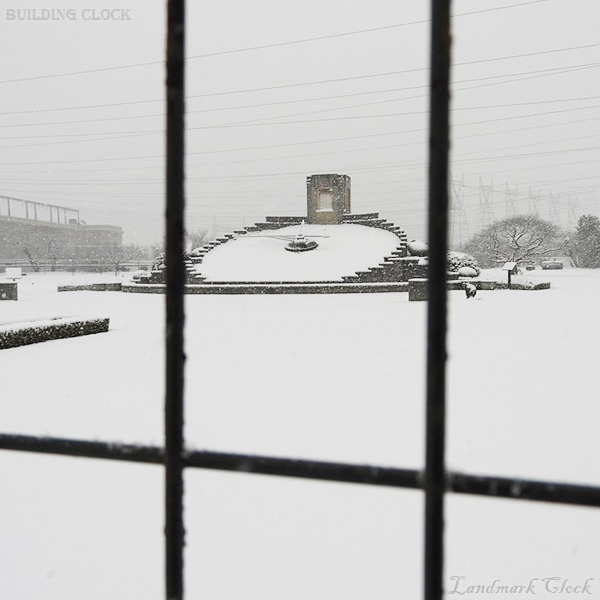
The official project description notes that face designs are changed two times per year.
That frequency is a sweet spot for public-park operations:
- Spring/Summer face: peak color, tourism season, high photography value.
- Late-summer/Fall face: refreshed look when earlier annuals decline; supports festivals and end-of-season programming.
For park operators, this cadence provides planned marketing beats and a predictable production calendar. It can also align with educational partnerships (horticulture schools, training programs, volunteer groups) while still being professionally managed.
Visitor Experience + Site Planning: Parking, Access, and “Quick Stop” Design
A landmark like this behaves as a high-turnover micro-destination—many visitors stay 10–30 minutes, take photos, and move on. Official visitor information highlights free parking, accessibility, and a typical short visit duration.
For owners and planners, that means:
- Provide safe pull-in/pull-out circulation and ADA-friendly paths.
- Design viewing edges that handle crowds without trampling planting.
- Use durable paving at the primary photo point (the “front-of-clock” axis).
- Integrate discreet lighting and CCTV-ready infrastructure if the park requires it.
Social Value: A Civic Symbol with High “Public Return”
Floral clocks often deliver unusually strong ROI for civic landscapes because they blend:
- Public beauty + public function (a clock you can actually use)
- A recurring seasonal story (face changes)
- Shareability (photos, short videos, recognizable geometry)
Tourism sources describe this clock as one of the most photographed stops in its regional park system and emphasize its large scale and annual planting count.
That visibility is valuable to municipal clients because it supports broader place-branding goals without requiring ticketed access.
What This Case Teaches Future Buyers
If you are a government agency, park authority, developer, or design consultant evaluating a floral clock as a procurement item, this case demonstrates a strong template:
- Choose overscale diameter for landmark performance (40 ft class).
- Plan for operations as a system (planting cycles, trim standards, irrigation checks, mechanical service).
- Use the clock as a programming anchor (flower show tie-ins, seasonal events, educational tours).
- Add a secondary feature (chime tower, viewing terrace, interpretive panels) to increase dwell time.
- Document face designs over time for heritage value and media storytelling.
For design teams, the floral clock is also a rare element that merges landscape graphics, horticultural craft, and mechanical engineering into one coherent signature object—ideal for public realm upgrades, capital-improvement programs, and long-term tourism corridor planning.
Fixed Professional Content (Keep at Bottom)
Professional Supply Scope (Typical)
- Floral clock structural base (civil + drainage coordination)
- Clock movement system (industrial outdoor-rated drive)
- Hands set (wind-rated, balanced, corrosion-resistant finish)
- Dial frame + planting cells / dividers (slope stabilization)
- Irrigation interface coordination (owner system or dedicated zone)
- Seasonal planting plan + pattern drawings (2 versions/year)
- O&M manual (mechanical + horticulture) and training
Reference-Style Specification Table (Example Format)
Item | Typical Range / Notes |
Clock Type | Large outdoor floral clock (carpet bedding face) |
Display Diameter | ~40 ft class (project-dependent) |
Planting Quantity | Up to ~16,000 carpet plants + annuals (design-dependent) |
Seasonal Changeovers | Twice per year (spring/summer + late season) |
Feature Add-on | Quarter-hour chimes via tower element (optional) |
Operations Model | Horticulture team + mechanical maintenance partner model |
Visitor Dwell Time | Often designed for short stops (10–30 min typical) |
Leave Your Message
Products categories
-
Seasonal Floral Clock Landmark for Metro
-
Heritage Floral Clock Landmark for Publi
-
40-Foot Floral Clock Landmark for Public
-
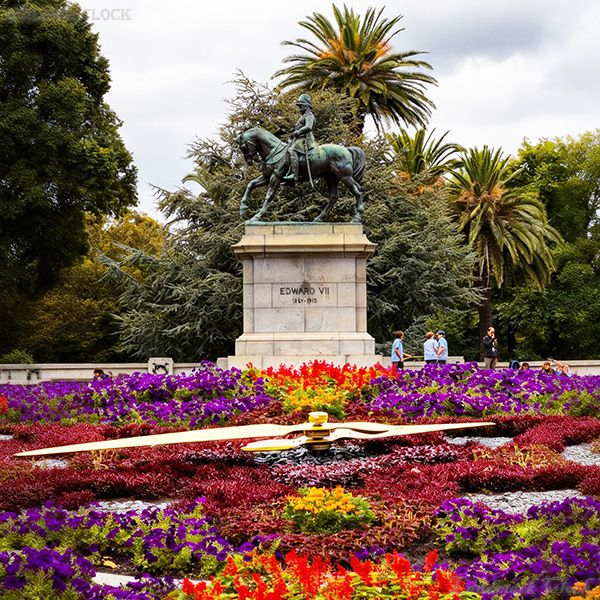
Landmark Floral Clock for Public Parks —
-
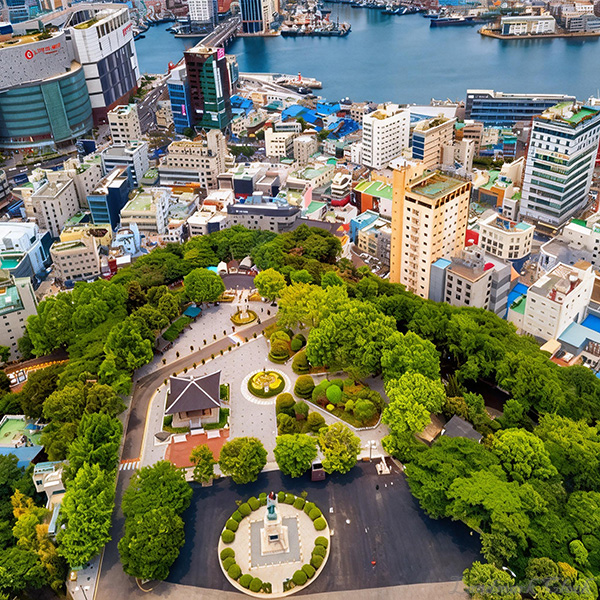
Hilltop Park Floral Clock in South Korea
-
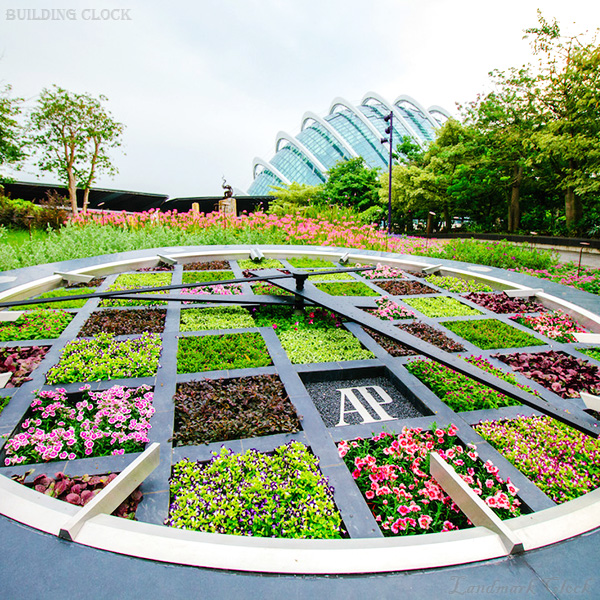
Floral Clock Installation for Public Gar
-
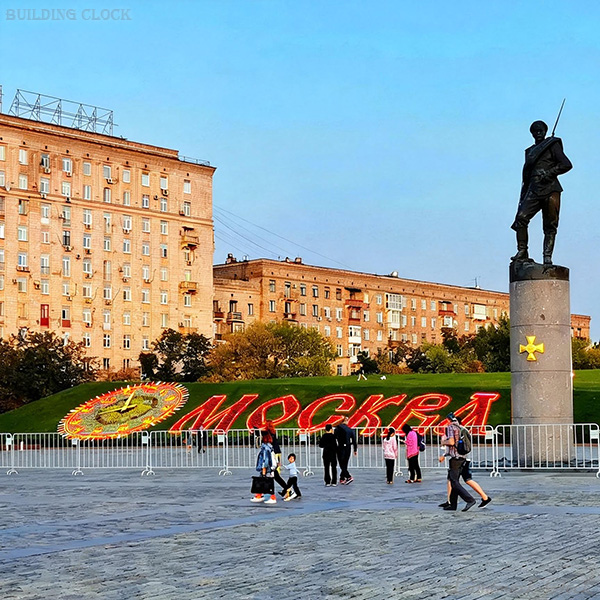
Hillside Floral Clock Landmark for Civic
-
Seaside Theme Park Floral Clock Landmark
-
Hillside Floral Clock Landmark for Civic
-
Heritage Flower Clock Landmark for Urban